
Ages 14–17 · Classic memoir
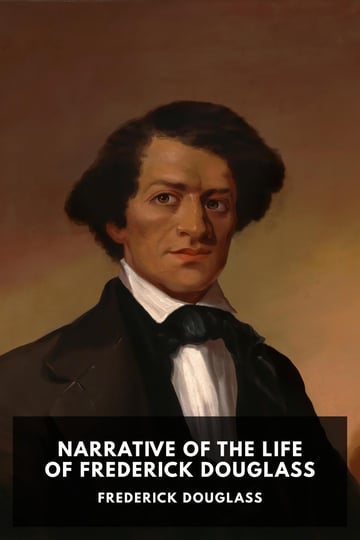
Narrative of the Life of Frederick Douglass
Frederick Douglass recounts his enslavement in Maryland, his pursuit of literacy, resistance to Edward Covey, and escape to the North. The narrative includes his marriage and entry into abolitionist speaking, with an appendix condemning slaveholding Christianity.
Free to read on Literal Kings for readers in the United States. This edition is public domain in the U.S. and may still be under copyright elsewhere.
You'll create a free profile first, then the book opens in your library.
Our review
Age guidance
Literal Kings editorial suitability after full-text review, not a publisher age claim: suitable for ages 14–17 with advance content warnings and supported discussion. Douglass’s intellectual agency, teaching, solidarity and self-emancipation offer substantial value, but graphic racial violence, coerced reproduction and suicidal thoughts require maturity. Dense nineteenth-century rhetoric and biblical allusions need scaffolding.
Content notes
Graphic whippings (Aunt Hester, I), shootings and fatal beatings (IV), child hunger and separation, disability-targeted abuse (IX), Covey’s violence and resistance (X), racist shipyard assault (X), suicidal thoughts (VII, X), and alcohol used as control (X). Sexual exploitation: enslavers fathering enslaved children and implied possessiveness toward Hester (I); Caroline confined with a hired married man for reproduction (X); sale for prostitution condemned (appendix). The N-word appears eleven times, with other racist insults. Religious hypocrisy critique explicitly distinguished from Christ’s Christianity.