
In the library now
9 books for ages 14–17
Every book here is free to read and download on Literal Kings with a profile. Classics marked “U.S. readers only” are public domain in the United States and are available only to readers there.
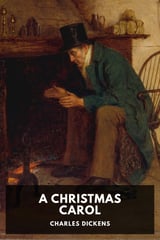
A Christmas Carol
On Christmas Eve, the miser Ebenezer Scrooge receives a warning from his dead business partner and visits from three spirits. Their visions of past, present and possible future confront him with the consequences of his choices.
Age guidance. Literal Kings full-text editorial review: PASS for 11–13 and 14–17 because its non-graphic supernatural terrors and bereavement serve a clear, compassionate moral narrative. Younger readers need notes on death anxiety, Victorian poverty, dated disability language and playful but intrusive courtship. Teens can engage independently with its social criticism, narrative irony and ethical transformation; challenging prose may require support for either band.
Content notes. Stave I: Marley is dead; his chained ghost screams and its jaw falls to its chest, with other tormented spirits outside; Scrooge imagines boiling Christmas celebrants and threatens a caroller with a ruler, while his wish that poor people die is condemned. Stave II: childhood neglect, a sister’s death, mistreated servants and broken engagement; the narrator admires a young woman’s lips and waist, without explicit sexual detail; wine is served to children and beer/negus at a party. Stave III: Tiny Tim’s possible death, disturbing emaciated allegorical children, Christian worship/healing references, family gin toasts, brandy pudding, grog and wine; flirtatious cornering and touching during blind man’s buff is treated as comedy and invites discussion of consent. Stave IV: prolonged non-gory death dread, theft of burial clothes from a corpse, implied interest of rats, Scrooge’s grave and Tiny Tim’s death in a possible future, including his father kissing his face; snuff, pipe smoking and drunkenness. Stave V: comic physical poking and imagined restraint, proposed alcoholic punch, reconciliation and Tiny Tim’s survival. Zero racial slurs in each of Staves I–V; dated disability/mental-health language and mild euphemistic or implied swearing occur, but no explicit sex, suicide or depicted animal torture.
From Standard Ebooks · Public domain in the United States · U.S. readers only

Frederick Douglass
Charles W. Chesnutt traces Frederick Douglass’s life from enslavement in Maryland through his work as an abolitionist speaker, editor, and advocate for equal rights. The biography follows his escape, international travels, Civil War activism, public appointments, and later family life.
Age guidance. Literal Kings full-text editorial review: PASS for 14–17 because the biography offers a substantial Black role model and treats slavery, racist violence, and political struggle seriously rather than sensationally. Not 11–13 because its sustained danger, quoted dehumanizing racism, occasional demeaning period rhetoric, and dense constitutional and reform history make the whole work better suited to older readers. Teens should receive historical context, including correction of the birth year and the conflation of the Fourteenth and Fifteenth Amendments in Chapter X.
Content notes. Ch. I: childhood family separation, maternal death, whippings, enforced ignorance, Christian conversion, and implied mixed parentage without sexual detail; dismissive language about slave songs and gendered language about weakness. Ch. II: brutal beating with blood loss, overwork, a two-hour resistance fight, and a death penalty for resisting an enslaver. Ch. III: escape and recapture fears, marriage, and employment discrimination. Ch. IV: attempted lynching, threatened tar-and-feathering, and mob beating causing unconsciousness and lasting hand impairment. Ch. V: threatened recapture and being thrown overboard. Ch. VI: execution sentence for aiding escape, racist mob violence, church burning, temperance advocacy, and criticism of proslavery churches. Ch. VII: biblical hell and figurative amputation, not self-harm. Ch. VIII: fugitive kidnapping, Brown’s raid and execution, threatened hanging, and a daughter’s death. Ch. IX: wartime deaths and Lincoln’s assassination, without graphic detail. Ch. X: lynching and disenfranchisement discussed. Ch. XI: an opponent’s racist animal comparison is refuted; a quoted ally’s skin-color joke is reproduced without explicit criticism; a gambler is identified, without gambling scenes. Ch. XII: wife’s death, interracial remarriage and prejudice, sudden collapse/death, funeral viewing, and explicit praise of abstinence from tobacco and strong liquor. N-word count is zero in every chapter (I–XII); period racial labels recur. No explicit sexual content, suicide, drug use, or graphic animal cruelty.
From Project Gutenberg · Public domain in the United States · U.S. readers only
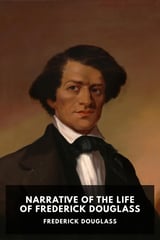
Narrative of the Life of Frederick Douglass
Frederick Douglass recounts his enslavement in Maryland, his pursuit of literacy, resistance to Edward Covey, and escape to the North. The narrative includes his marriage and entry into abolitionist speaking, with an appendix condemning slaveholding Christianity.
Age guidance. Literal Kings editorial suitability after full-text review, not a publisher age claim: suitable for ages 14–17 with advance content warnings and supported discussion. Douglass’s intellectual agency, teaching, solidarity and self-emancipation offer substantial value, but graphic racial violence, coerced reproduction and suicidal thoughts require maturity. Dense nineteenth-century rhetoric and biblical allusions need scaffolding.
Content notes. Graphic whippings (Aunt Hester, I), shootings and fatal beatings (IV), child hunger and separation, disability-targeted abuse (IX), Covey’s violence and resistance (X), racist shipyard assault (X), suicidal thoughts (VII, X), and alcohol used as control (X). Sexual exploitation: enslavers fathering enslaved children and implied possessiveness toward Hester (I); Caroline confined with a hired married man for reproduction (X); sale for prostitution condemned (appendix). The N-word appears eleven times, with other racist insults. Religious hypocrisy critique explicitly distinguished from Christ’s Christianity.
From Standard Ebooks · Public domain in the United States · U.S. readers only
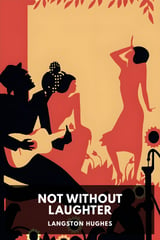
Not Without Laughter
Sandy Rodgers grows up in a Black family in a small Kansas town, surrounded by his grandmother, mother, aunts, and wandering musician father. As family circumstances take him toward Chicago, he weighs work, education, faith, and the music of his community.
Age guidance. Literal Kings full-text editorial review: PASS for 14–17 because this Black coming-of-age novel treats racism, family complexity, education, and artistic resilience seriously, without anatomically explicit sex or gratuitous violence. Not 11–13 because sexual solicitation, prostitution, overheard marital sex, coercive reproductive history, persistent slurs, and domestic and racist violence accumulate across the book. Older teens need contextual discussion of troubling period stereotypes and the distinction between character prejudice, narrative generalization, and the novel’s overall humanizing stance.
Content notes. Ch. I: cyclone and two deaths; VII: recalled racist attack, defensive shooting, mob expulsion and burning settlement, including animals burning. IV: sexual solicitation of sixteen-year-old Harriett; V and VIII: sexual blues and intensely sensual dancing, including a rape simile, plus drinking and a woman slapped. IX: breast fondling and kissing, infected puncture wound, whipping welts, gambling and minstrel caricatures; X: child hears parents’ bed and moans, understood as marital sex, without anatomical detail. XII–XIII: severe illness, recalled repeated razor attacks on a wife and conversational justification of wife beating, child whipping and head strike. XV, XX and XXV: lynching threats or references; XVI: fatal balcony fall during bereavement, uncertain intent, and slavery-minimizing reminiscence. XVII, XIX–XXI: sexualized adult talk, prostitution/arrest, brothel setting, adult nudity without anatomical detail, alcohol, tobacco and racist coercion; XXI–XXII: grandmother’s painful illness, death and funeral. XXV: boastful account of enslaved people forced to reproduce for sale and a horse ridden to death; XXVI–XXVII: sexual curiosity, contraception hints and implied teen sex, not depicted explicitly; XXVIII: adult solicits and follows sixteen-year-old Sandy with nude pictures, wine and cigarettes; Sandy escapes. XXX: gin, smoking, numbers gambling and abandonment lyric preferring death, not enacted self-harm; aunt discourages gambling and funds schooling. Frequent N-word and other racist epithets occur in dialogue, recalled abuse, free-indirect prejudice and occasional charged narration (notably VIII, IX and XXI); the overall stance humanizes Black life, but these passages need discussion. Christian worship, spirituals, religious conflict, damn/hell and profane religious exclamations recur; colorism, misogyny, feminizing insults and other period stereotypes are not uniformly challenged locally.
From Standard Ebooks · Public domain in the United States · U.S. readers only
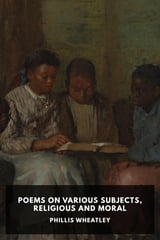
Poems on Various Subjects, Religious and Moral
A collection of poems by Phillis Wheatley addresses faith, mourning, nature, imagination, public figures, and artistic creation. Biblical and classical narratives appear alongside personal reflections on Africa, captivity, and freedom.
Age guidance. Literal Kings full-text editorial review: PASS for 14–17 because the collection offers substantial Black literary agency and serious engagement with faith, captivity, and freedom, with specific historical and violence notes. It does not pass 11–13: the extended graphic killings in Goliath and Niobe, a suicide, repeated child bereavement, and demanding classical theology make the whole collection unsuitable for that band. The overall stance does not endorse contempt for Black people, although its Christian hierarchy and descriptions of Africa must be acknowledged rather than explained away. This judgment covers the complete supplied file; the Boston men’s attestation is absent and has not been reviewed.
Content notes. Preface and Letter to the Publisher: enslavement and purchase of a child, paternalistic authentication of her learning; the separate Boston men’s attestation is absent. To Maecenas and To S. M.: African literary and artistic achievement. On Being Brought from Africa to America: one quoted racist assertion associating Black color with evil, explicitly challenged; one historical racial group designation, Cain imagery, and conversion/refinement language; no N-word. To the University of Cambridge: Africa described as religious error and darkness, crucifixion and damnation. Dartmouth: forcible child removal and parents’ anguish, explicit opposition to tyranny. Frame these together: Wheatley asserts African humanity and liberty while valuing Christian conversion; kidnapping and enslavement are not benefits, and the text’s religious hierarchy is real. Goliath of Gath: animal killings, shattered brain, beheading, gushing blood and mass slaughter celebrated as biblical victory. Isaiah 63:1–8: divine vengeance, dying troops and blood/winepress imagery. Niobe: prolonged killing of children with arrows, exposed entrails, father’s suicide by stabbing his chest, mother’s wish to die and petrification; divine punishment for pride with sympathy for grief. Elegies including the five-year-old girl, C. E., J. C., Three Relations and Marshall: repeated child/adult death, heavenly reunion, injunctions to stop grieving; Marshall includes hair-tearing and nonsexual pregnancy references. Hurricane: shipwreck and near drowning. Amory rejects atheism; Christian salvation, sin and judgment pervade the collection alongside classical gods. King, Captain, Rebus/Answer praise monarchy, warfare or imperial conquest. No explicit sex, recreational substance use, gambling or conversational profanity.
From Standard Ebooks · Public domain in the United States · U.S. readers only
Poetry
This compilation gathers Langston Hughes’s poems about Black life, work, family, love, travel, and racial injustice. Jazz and blues voices mingle with nature lyrics, spirituals, dramatic monologues, and political satire.
Age guidance. Literal Kings full-text editorial review: PASS for 14–17 because the complete compilation offers substantial Black literary, historical, and artistic engagement through non-explicit treatments of adult experience, with specific contextual content notes. The poems largely expose racism and exploitation rather than endorse them, although abusive personas and period stereotypes require discussion. Not 11–13 because recurrent suicide imagery sometimes makes death sound restful and includes concrete methods, alongside domestic violence, sexual commerce, heavy drinking, and racist epithets. The teen judgment is independent and assumes thoughtful parent/teacher contextualization, particularly around self-harm and relationship abuse.
Content notes. The Little Frightened Child: one N-word used by bullying white pupils; Mulatto (historical title also needs explanation): seven N-word occurrences across racist dialogue/refrains, white kinship denial and sexual objectification of Black women; Aesthete in Harlem: one N-word in a satirical outsider voice; The New Cabaret Girl: one abbreviated anti-white epithet and mixed-race distress. The Negro: colonial hand mutilation and lynching; Song for a Dark Girl: bruised lynched lover hanging from a tree; Flight: hound pursuit and threatened lynching over a denied sexual accusation. Song for a Suicide, Suicide’s Note, Lonesome Place, Bad Luck Card, A Ruined Gal and Suicide: death wishes and appealing/restful drowning imagery; Song for a Suicide names knife and acid, Bad Luck Card quotes suicide advice, and Suicide specifies a knife blade and river depth while contemplating self-injury or killing a partner. Beale Street Love: crushed lips/blackened eyes and a request for further blows; Bad Man: boasting of beating wife and mistress; Evil Woman: partner-murder threats; Hard Daddy: eye-gouging fantasy; Death of Do Dirty: partner cutting, shooting, fatal beating and retaliatory shooting threat, without extended gore. Young Prostitute, Ruby Brown, Natcha, Success and I Thought It Was Tangiers I Wanted: sexual commerce and economic exploitation; Listen Here Blues: gin/whiskey linked to loss of virginity; Red Silk Stockings and Mulatto: racialized sexual exploitation and parentage. Nude Young Dancer, Songs to the Dark Virgin, To a Black Dancer in The Little Savoy and Desire: non-graphic nudity, breasts, erotic longing or implied intimacy; no explicit sexual acts. Jazzonia, Harlem Night Club, Saturday Night and The Cat and the Saxophone: cabaret dancing, flirtation and suggestive dialogue; Ma Man praises drunken musicianship; Ballad of Gin Mary depicts alcohol dependence and jail; Hard Luck includes bootleg gin; Brass Spitoons includes smoke/spittoons and gin; Crap Game depicts dice gambling. Hard Luck and the collection title Fine Clothes to the Jew require a note on generic Jewish-pawnbroker identification, not a claim that Jewish identity itself is a slur; the poems about wandering lovers and fortune tellers use a dated anti-Roma label and stereotypes. Sunset—Coney Island depicts a vomiting Jewish tailor amid grotesque imagery. The South and Poem to a Dead Soldier use derogatory sex-worker metaphors; Christian prayer, afterlife, hellfire, religious satire and occasional hell/damn recur. Merry Christmas names imperial murder and rape and evokes shells and gas, without enacted sexual violence; Caribbean Sunset uses a blood/hemorrhage metaphor. America mistakenly associates Crispus Attucks with the Boston Tea Party; contextual correction should identify the Boston Massacre.
From Standard Ebooks · Public domain in the United States · U.S. readers only
The Souls of Black Folk
Du Bois’s 1903 collection combines essays, autobiography, biography, a fictional tragedy, and discussion of spirituals to examine Black American life after emancipation. It addresses double-consciousness, education, political rights, labor, religion, and family grief.
Age guidance. Literal Kings editorial suitability after full-text review, not a publisher age claim. Suitable for mature readers ages 14–17 with historical framing and substantial reading support; this is adult nonfiction, not teen-targeted prose. Sustained child bereavement, racial terror, sexual coercion and an implied lynching require advance warnings and choice.
Content notes. II: slavery, rape/coercion, racist murder; VII–IX: whipping, debt peonage, child labor, Jim Crow and unjust courts. XI: child illness, death, funeral and intense grief. XIII: Jennie grabbed/pursued, then struggling in a man’s arms (implied attempted sexual assault); her brother kills him with a branch; a mob approaches and a lynching is implied, not shown. The N-word appears 16 times (II, IV, VII, VIII, XI, XIII, XIV) in racist speech, quoted narration and some Black dialogue; five other racist epithets appear (VIII, XIII, XIV).
From Standard Ebooks · Public domain in the United States · U.S. readers only
The Sport of the Gods
After a Black Southern servant is wrongfully convicted of theft, his wife and children move to New York in search of a new life. Their experiences of work, entertainment, exploitation, and separation unfold while the truth about the accusation remains concealed.
Age guidance. Literal Kings full-text editorial review: PASS for 14–17 because this serious Black-authored tragedy offers substantial examination of racist injustice, family loyalty, exploitation, and the lasting damage of imprisonment without explicit sexual acts. It is not suitable for 11–13 because of sustained intimate-partner strangulation, sexual predation involving a sixteen-year-old, pervasive alcoholism, racist language, and profound despair. The overall stance indicts racist oppression rather than endorsing racial contempt, although paternalistic migration rhetoric, sexism, and disability imagery warrant guided discussion. Chapters I–XIII were assessed from the earlier reviewer’s completed notes; this finishing reviewer read XIV–XVIII and both backmatter sections directly.
Content notes. Chs. I, IV–VI, IX, XIII, XVI–XVII contain the N-word in character speech; III–V and VII–X include additional racist/dehumanizing or theatrical epithets, including a narratorial theatrical label in X. Chs. III–VI depict false accusation, threatened assault, hard labor, eviction, and discrimination; XI recounts lynching and a killing with an iron stool without gore. Chs. VII–XII portray predatory attention to sixteen-year-old Kitty, suggestive performances, an exploitative romance, and implied sexual experience; XIII mentions a mistress, with no explicit sexual acts. Alcohol, drunkenness, tobacco, and gambling recur, particularly IX, XI–XIV and XVI; XII includes Kitty drinking and trying smoking. XIV depicts Hattie slapping Joe followed by his threatening and slowly strangling her in bed, with struggle and exposed breast/throat but no gore. XV includes life imprisonment, emotional numbness, and a suggestion that execution would be merciful. XVI–XVII depict physical coercion and a frightening psychiatric collapse; XVIII includes domestic beatings disclosed, Berry painfully gripping Fannie, armed revenge plans with indifference to execution, an offstage racetrack killing, viewing the corpse, and ongoing psychiatric screams. No explicit suicide attempt occurs. Damn/hell and religious exclamations recur; Christian faith, its loss and restoration, family love, freedom, resilience, and accountability are important themes, within a bleak ending.
From Standard Ebooks · Public domain in the United States · U.S. readers only
Up from Slavery: An Autobiography
Booker T. Washington recounts his childhood in slavery, pursuit of education at Hampton, and establishment and growth of Tuskegee Institute. His autobiography includes the 1895 Atlanta Exposition address, fundraising and speaking work, family losses, and European travel.
Age guidance. Literal Kings editorial suitability after full-text review, not a publisher age claim. Suitable for ages 14–17 as contextualized historical nonfiction: Black educational leadership, perseverance and community-building offer substantial value. Mature readers need support to examine racial violence, slurs, assimilationist judgments and Washington's accommodationist politics without treating them as the platform's advice or the sole Black perspective.
Content notes. I: enslavement, flogging, feared mutilation and slave-ship torture; II: dangerous child mine/salt work; IV: mother's death; V: Klan violence; VI: Indigenous stereotyping; IX/XIII: wives' deaths; IX: drinking, guns, razor violence; XI/XVII: lynching, racial intimidation/riots. Racist epithets: the N-word once (IX, quoted Black donor) and one other epithet (VIII, dialect joke). XIV: accommodationist Atlanta address prioritizes economic advancement, accepts social separation and calls social-equality agitation folly; defends legal privileges but urges gradual political recognition and equal voting tests.
From Standard Ebooks · Public domain in the United States · U.S. readers only
Start reading