
Ages 14–17 · Classic coming-of-age novel
Not Without Laughter
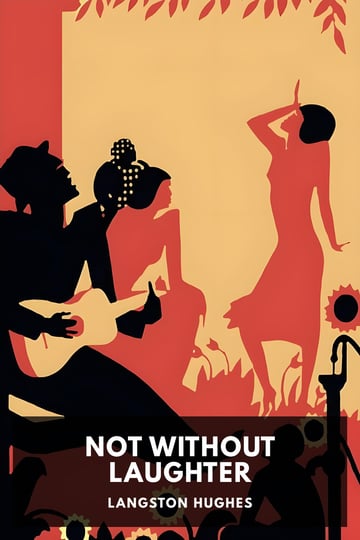
Sandy Rodgers grows up in a Black family in a small Kansas town, surrounded by his grandmother, mother, aunts, and wandering musician father. As family circumstances take him toward Chicago, he weighs work, education, faith, and the music of his community.
Free to read on Literal Kings for readers in the United States. This edition is public domain in the U.S. and may still be under copyright elsewhere.
You'll create a free profile first, then the book opens in your library.
Our review
Age guidance
Literal Kings full-text editorial review: PASS for 14–17 because this Black coming-of-age novel treats racism, family complexity, education, and artistic resilience seriously, without anatomically explicit sex or gratuitous violence. Not 11–13 because sexual solicitation, prostitution, overheard marital sex, coercive reproductive history, persistent slurs, and domestic and racist violence accumulate across the book. Older teens need contextual discussion of troubling period stereotypes and the distinction between character prejudice, narrative generalization, and the novel’s overall humanizing stance.
Content notes
Ch. I: cyclone and two deaths; VII: recalled racist attack, defensive shooting, mob expulsion and burning settlement, including animals burning. IV: sexual solicitation of sixteen-year-old Harriett; V and VIII: sexual blues and intensely sensual dancing, including a rape simile, plus drinking and a woman slapped. IX: breast fondling and kissing, infected puncture wound, whipping welts, gambling and minstrel caricatures; X: child hears parents’ bed and moans, understood as marital sex, without anatomical detail. XII–XIII: severe illness, recalled repeated razor attacks on a wife and conversational justification of wife beating, child whipping and head strike. XV, XX and XXV: lynching threats or references; XVI: fatal balcony fall during bereavement, uncertain intent, and slavery-minimizing reminiscence. XVII, XIX–XXI: sexualized adult talk, prostitution/arrest, brothel setting, adult nudity without anatomical detail, alcohol, tobacco and racist coercion; XXI–XXII: grandmother’s painful illness, death and funeral. XXV: boastful account of enslaved people forced to reproduce for sale and a horse ridden to death; XXVI–XXVII: sexual curiosity, contraception hints and implied teen sex, not depicted explicitly; XXVIII: adult solicits and follows sixteen-year-old Sandy with nude pictures, wine and cigarettes; Sandy escapes. XXX: gin, smoking, numbers gambling and abandonment lyric preferring death, not enacted self-harm; aunt discourages gambling and funds schooling. Frequent N-word and other racist epithets occur in dialogue, recalled abuse, free-indirect prejudice and occasional charged narration (notably VIII, IX and XXI); the overall stance humanizes Black life, but these passages need discussion. Christian worship, spirituals, religious conflict, damn/hell and profane religious exclamations recur; colorism, misogyny, feminizing insults and other period stereotypes are not uniformly challenged locally.